
When a Grubhub delivery driver suffers a fall on restaurant premises in Los Angeles, the legal complexities often extend beyond a simple slip and fall claim. These incidents raise critical questions about liability, workers’ compensation, and the specific duties owed by property owners to independent contractors. Understanding these nuances is essential for anyone involved in a Grubhub fall in Los Angeles on restaurant premises, particularly given the gig economy’s unique employment classifications.
Key Takeaways
- California law, specifically Labor Code Section 3351, generally classifies gig workers as independent contractors, impacting their eligibility for workers’ compensation benefits.
- Property owners in California have a duty to maintain safe premises for all lawful visitors, including delivery drivers, under premises liability doctrines.
- Drivers injured on restaurant property should document the scene thoroughly, seek immediate medical attention, and report the incident to both Grubhub and the restaurant.
- Working through liability for a Grubhub fall often involves distinguishing between negligence on the part of the restaurant and potential negligence by the driver.
- Consulting with a personal injury attorney specializing in premises liability and gig economy worker rights is important for understanding legal options and pursuing a claim.
Understanding Liability in a Grubhub Fall on Restaurant Premises
A fall on restaurant premises in Los Angeles can lead to significant injuries, from sprains and fractures to head trauma. When the injured party is a Grubhub delivery driver, the situation becomes more intricate due to the nature of their employment. California law, particularly since the implementation of Assembly Bill 5 (AB5) and Proposition 22, has specific provisions regarding the classification of gig workers. While Proposition 22 generally exempts app-based drivers from AB5’s reclassification as employees for certain benefits, it does not absolve property owners of their duty to maintain safe premises.
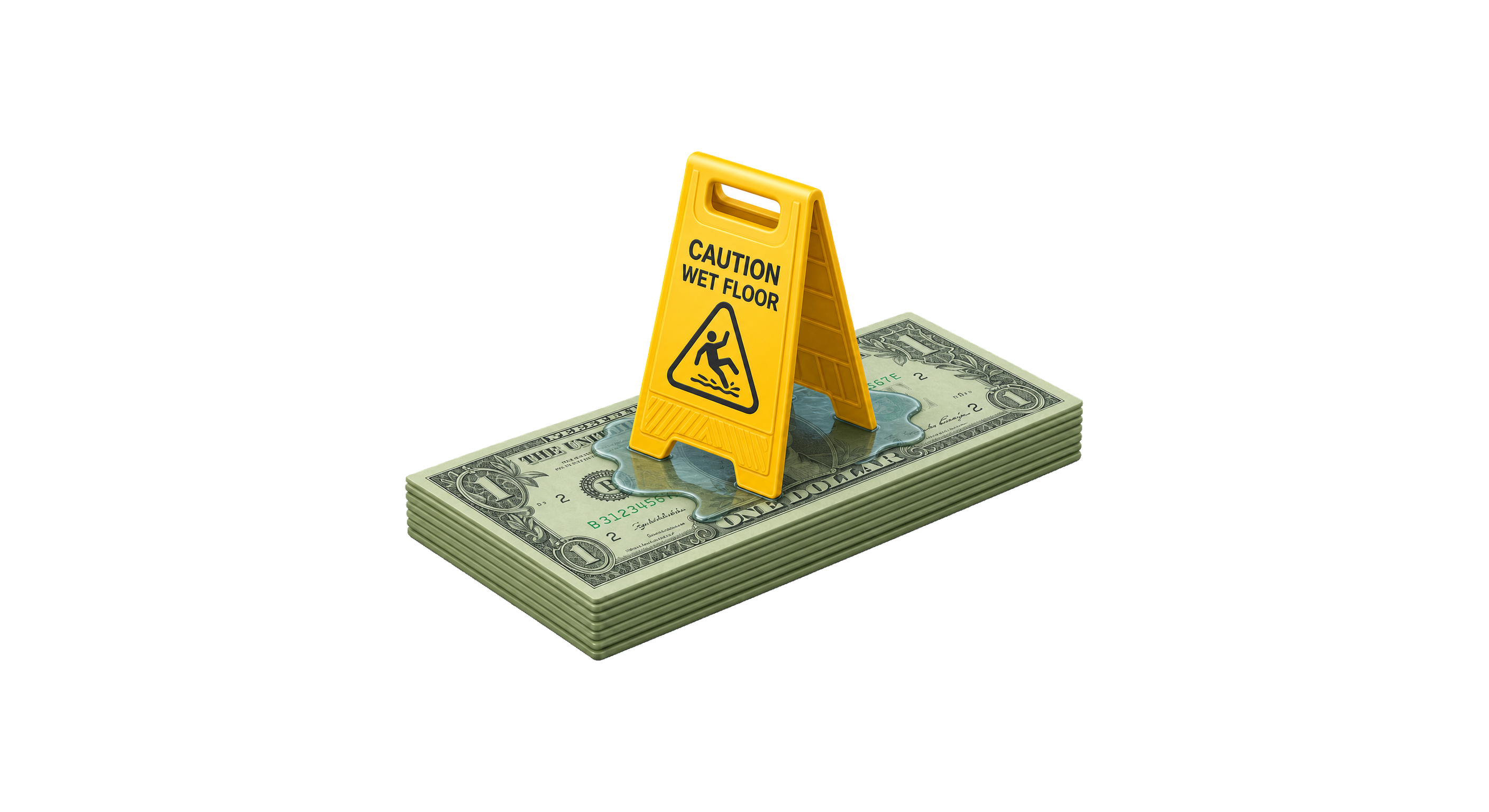
Property owners in California owe a duty of care to all lawful visitors, including delivery drivers. This means they must take reasonable steps to ensure their property is free from hazards that could cause injury. This duty extends to the restaurant’s parking lot, walkways, entrances, and even internal areas where drivers might pick up orders. Common hazards include wet floors without warning signs, uneven pavement, poor lighting, obstructed pathways, or broken stairs. When a property owner fails in this duty, and that failure directly causes an injury, they can be held liable under premises liability law. For instance, if a driver slips on a freshly mopped floor with no “wet floor” sign near the pickup counter at a restaurant in Koreatown, that restaurant could be liable for the resulting injury. The driver’s status as an independent contractor, rather than a traditional employee of the restaurant, does not diminish the restaurant’s obligation to maintain a safe environment for those on its property.
Injured in a slip & fall?
Know what your case is worth with AI Slip & Fall Payout Calculator for FREE!
Start my free evaluationThe complexities multiply when we consider the interaction between Grubhub’s operational policies and the restaurant’s physical environment. Grubhub, like other delivery platforms, provides guidelines to drivers, but it does not control the physical conditions of the restaurants themselves. Therefore, if a driver is injured due to a structural defect or an immediate hazard on the restaurant’s property, the primary liability typically rests with the restaurant owner or the property owner, not Grubhub. This distinction is critical in determining the appropriate party against whom to pursue a claim. Evidence collection at the scene becomes paramount, including photographs, witness statements, and incident reports, to establish the exact cause of the fall and the responsible party.
The Gig Economy and Workers’ Compensation in California
For a Grubhub driver injured in a fall, the availability of workers’ compensation benefits is a primary concern. In California, the legal framework for gig workers has been a subject of significant legislative and judicial debate. Proposition 22, approved by California voters in 2020, specifically classified app-based drivers as independent contractors, not employees. This means they generally do not receive traditional workers’ compensation benefits under California’s Labor Code, which typically covers employees for work-related injuries. However, Proposition 22 did establish an alternative benefits structure for app-based drivers, including occupational accident insurance. This insurance provides medical expense coverage and disability payments for injuries sustained while engaged in app-based work.
Hit as a pedestrian?
Even if you were jaywalking, you may still have a valid claim. Most victims don’t know this.
It’s important to understand the specifics of this occupational accident insurance. While it offers some financial protection, it is not identical to traditional workers’ compensation. The coverage limits and terms may differ, and there might be specific requirements for reporting and filing claims. For example, the insurance might cover medical costs up to a certain amount and provide a percentage of average weekly earnings for lost income, but these figures are often less generous than those offered by a full workers’ compensation policy. A driver injured in a Grubhub fall in Los Angeles needs to verify the exact terms of their coverage through Grubhub’s platform or direct communication with the company.
The intersection of premises liability and gig worker benefits creates a dual path for recovery. If a driver is injured due to the restaurant’s negligence, they can pursue a personal injury claim against the restaurant owner or property owner. This claim could cover medical expenses, lost wages beyond what the occupational accident insurance provides, pain and suffering, and other damages. Simultaneously, they might be eligible for benefits under Grubhub’s occupational accident insurance for their work-related injury. These two avenues are not mutually exclusive, though any recovery from a personal injury lawsuit might need to account for benefits already received from the occupational accident insurance to prevent double recovery for the same losses. Working through these concurrent claims requires careful legal strategy.
Immediate Steps After a Fall on Restaurant Property
After experiencing a Grubhub fall in Los Angeles on restaurant premises, immediate actions are critical for both personal well-being and any potential legal claim. First and foremost, seek medical attention. Even if injuries seem minor, some conditions, like concussions or soft tissue damage, may not manifest immediately. Documenting medical treatment from the outset provides important evidence. The closest urgent care center to a fall in, say, the Silver Lake area might be at Cedars-Sinai or a local clinic, but a visit to the emergency room is warranted for severe injuries.
Next, it’s imperative to document the scene of the fall. If possible, take photographs and videos of the hazard that caused the fall, the surrounding area, and any warning signs (or lack thereof). Note the time, date, and weather conditions. Obtain contact information from any witnesses, including their names, phone numbers, and email addresses. These details can be invaluable later. For example, if a driver falls due to a broken step at a restaurant near the Santa Monica Pier, photos of the step’s condition, the lighting, and any nearby signage are important.
Report the incident to both Grubhub and the restaurant management immediately. For Grubhub, follow their official incident reporting procedures, typically found within the driver app or on their support website. For the restaurant, inform the manager on duty and request that an incident report be filed. Ask for a copy of this report. Do not make assumptions about fault or minimize your injuries during these reports. Stick to the facts of what happened. It is also wise to avoid giving detailed recorded statements to insurance adjusters without first consulting an attorney, as these statements can sometimes be used against you later.
Working through the Legal Process: What to Expect
Once you’ve taken the immediate steps, the legal process for a Grubhub fall in Los Angeles can begin. This typically involves several stages, starting with an investigation and potentially moving to negotiations or litigation. An attorney specializing in personal injury and premises liability cases can guide you through each phase. They will gather evidence, which might include surveillance footage from the restaurant, maintenance logs, employee testimonies, and expert opinions on property safety standards. They will also communicate with insurance companies on your behalf, protecting your interests.
The primary legal theory in these cases is often premises liability, which holds property owners responsible for injuries occurring on their property due to unsafe conditions. To succeed in a premises liability claim, you must generally prove four elements: (1) the defendant owned, leased, occupied, or controlled the property; (2) the defendant was negligent in the use or maintenance of the property; (3) the plaintiff was harmed. And (4) the defendant’s negligence was a substantial factor in causing the plaintiff’s harm. For a Grubhub driver, proving the restaurant’s negligence, such as failing to clean a spill in a timely manner or neglecting to repair a known hazard, is central to the case.
Negotiations with the restaurant’s insurance company will likely follow the initial investigation. Insurance adjusters will typically try to settle for the lowest possible amount, and they may even deny liability initially. Having an attorney who can present a strong case, backed by solid evidence, significantly improves your chances of a fair settlement. If a satisfactory settlement cannot be reached, the case may proceed to litigation, where a lawsuit is filed. This could involve discovery, where both sides exchange information, and potentially a trial. Understanding the statute of limitations in California is also critical. Generally, personal injury claims must be filed within two years from the date of the injury, as per California Code of Civil Procedure Section 335.1. Missing this deadline can permanently bar your ability to pursue a claim.
Common Challenges in Grubhub Fall Cases
Grubhub fall cases on restaurant premises present unique challenges. One significant hurdle is the independent contractor status of the driver. While this does not negate the restaurant’s premises liability, it can complicate the narrative, especially if the defense attempts to shift blame to the driver’s own actions or lack of attention. For example, they might argue the driver was distracted by their phone or rushing to complete a delivery. This is why thorough documentation and witness statements are so important, as they can counter such claims.
Another challenge involves proving the restaurant had actual or constructive notice of the dangerous condition. For a premises liability claim to succeed, the property owner must have known about the hazard (actual notice) or should have known about it through reasonable inspection (constructive notice). If a spill occurred just seconds before the fall, it might be difficult to prove the restaurant had sufficient time to discover and remedy it. However, if the hazard was a long-standing issue, such as a broken floor tile that had been present for weeks, demonstrating constructive notice becomes much easier. An attorney will investigate the restaurant’s maintenance records, employee training, and past incident reports to establish this element.
Plus, dealing with multiple insurance companies (the restaurant’s liability insurer and Grubhub’s occupational accident insurer) can be complex. Each insurer will protect its own interests, and they may attempt to minimize their payout or shift responsibility. An experienced attorney understands how these systems interact and can ensure that your rights are protected across all fronts, working to maximize your total recovery. They can also advise on how any benefits received from Grubhub’s occupational accident insurance might impact a personal injury settlement, ensuring there are no unforeseen reductions or liens.
A Grubhub fall on restaurant premises in Los Angeles is not just a physical injury. It is a legal challenge requiring careful navigation of premises liability, gig economy worker benefits, and insurance complexities. Document everything, seek medical care, and consult with a legal professional to protect your rights and pursue the compensation you deserve.
What is premises liability in the context of a Grubhub fall?
Premises liability holds property owners responsible for injuries that occur on their property due to unsafe conditions. For a Grubhub fall, this means the restaurant owner or property owner can be liable if their negligence in maintaining a safe environment directly caused the driver’s injury.
Does a Grubhub driver’s independent contractor status affect their ability to sue a restaurant for a fall?
No, a Grubhub driver’s independent contractor status does not prevent them from pursuing a premises liability claim against a negligent restaurant. The restaurant’s duty to maintain safe premises extends to all lawful visitors, regardless of their employment classification.
Are Grubhub drivers eligible for workers’ compensation in California if they fall on restaurant premises?
Under California’s Proposition 22, Grubhub drivers are generally classified as independent contractors and do not receive traditional workers’ compensation. However, they are typically covered by occupational accident insurance provided by Grubhub, which offers medical expense coverage and disability payments for work-related injuries.
What evidence is important after a Grubhub fall on restaurant property?
Important evidence includes photographs and videos of the hazard and the scene, witness contact information, immediate medical records, and official incident reports filed with both Grubhub and the restaurant management.
What is the statute of limitations for filing a personal injury claim for a fall in California?
In California, the statute of limitations for most personal injury claims, including those arising from a fall, is generally two years from the date of the injury, as outlined in California Code of Civil Procedure Section 335.1.



