
Key Takeaways
- Chicago businesses and property owners are legally on the hook for keeping their premises safe for everyone, Instacart shoppers included, under the Illinois Premises Liability Act (740 ILCS 130/).
- For businesses, predictive maintenance tech like IoT sensors that watch for spills is becoming non-negotiable for finding and fixing slip-and-fall risks before someone gets hurt, cutting their liability.
- If an Instacart shopper gets hurt in a Chicago slip and fall, they can sue for damages, think medical bills, lost income, pain, and other losses, through a personal injury claim.
- Proving liability and building a strong legal case starts with documenting everything right after you fall: photos, witness contacts, and the store’s incident report are all essential.
- A business that ignores reasonable safety precautions, especially when they could use predictive maintenance tools to stop known hazards, is looking at massive legal judgments and financial hits in a premises liability lawsuit.
When an Instacart shopper goes down in a Chicago grocery store, it’s not just a fall. It’s a tangle of serious injuries and tough legal questions about who’s at fault, especially now that **predictive maintenance** tech is changing the game. Who pays when a delivery driver slips on an unmarked spill, and how does this new technology change what we expect from a business?
The Duty of Care and Chicago Premises Liability
Illinois property owners, from big box retailers to the corner grocery store where Instacart shoppers work, have a legal duty of care. The Illinois Premises Liability Act (740 ILCS 130/) spelling this out is old news, but applying it to gig workers still seems to confuse some businesses. The law is clear: owners have to use reasonable care with their property. That means they need to actively look for and fix dangerous conditions like spills or trash that could make someone fall.
An Instacart shopper is an “invitee”, they’re on the property for the benefit of the business, too which means the property owner has the highest level of duty to them. They’re supposed to inspect for hazards and either fix them or put up a warning. A wet spot, a stray piece of garbage, even a buckled floor mat can turn into a major lawsuit if it’s ignored. The problem for stores is that spills happen in a flash on a busy floor which is exactly why the conversation is turning from just cleaning up messes to using technology to prevent them.
Injured in a slip & fall?
Know what your case is worth with AI Slip & Fall Payout Calculator for FREE!
Start my free evaluationUnderstanding Slip and Fall Accidents for Instacart Shoppers
A slip and fall can cause anything from a few bruises to career-ending injuries like shattered bones, a traumatic brain injury, or spinal damage. For an Instacart shopper, this is devastating because it stops them from working and earning money. Picture a shopper hustling on a Sunday afternoon in a crowded store near Lincoln Park, trying to fill an order fast. They round an aisle end in produce, hit a puddle from a leaky cooler they never saw, and go down hard. The next thing they know, they’re in pain, confused, and probably on their way to Northwestern Memorial Hospital.
To win a slip and fall case, you have to prove the property owner was negligent. This means showing they either made the dangerous mess, knew about it and did nothing, or *should have known* about it if they were doing their job. That “should have known” part is where predictive maintenance systems become a huge factor. If a store could have used technology to detect that leak but didn’t, or they had the system and just ignored the alert, that’s a powerful argument for negligence. The injured person has to prove this, which is why getting photos and documenting everything at the scene is so important.
The Rise of Predictive Maintenance in Hazard Prevention
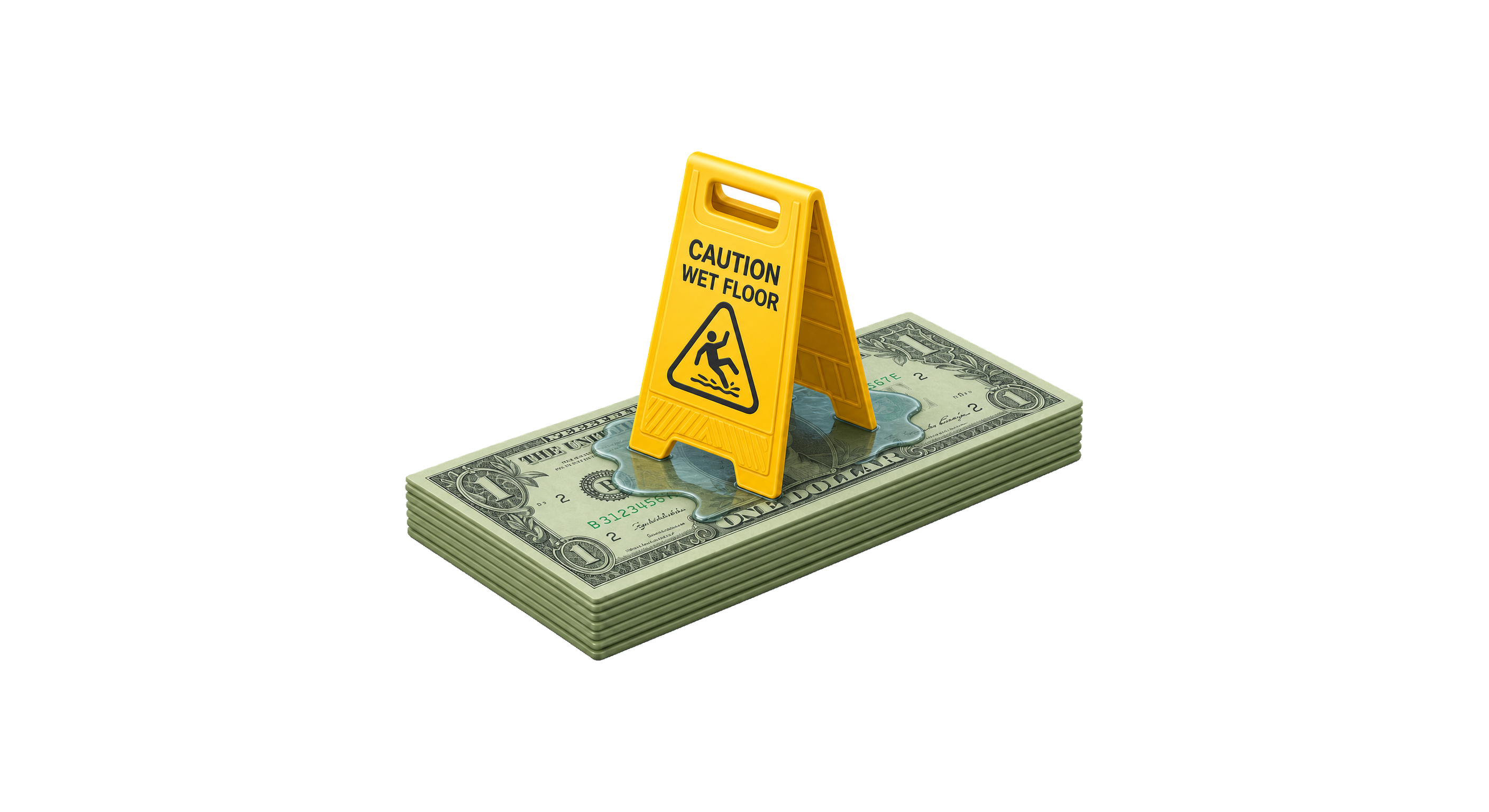
It’s 2026, and how we think about managing a facility has completely changed. Businesses aren’t just reacting to spills anymore. They’re getting ahead of them. That’s the whole point of **predictive maintenance**. We’re talking about smart systems using Internet of Things (IoT) sensors, AI, and live data to watch for problems. Think about sensors in the floor or by the freezers that detect moisture or temperature drops. The second a hazard pops up, the system pings an employee’s phone with the exact location, so they can get there and clean it up before anyone gets hurt.
Imagine a big retail chain with stores all over Chicago, from the bustling Loop to quieter neighborhoods like Roscoe Village. A central predictive maintenance system lets them watch every location at once. A sensor picks up a slow leak from a beverage cooler at their State Street location. An alert goes out instantly to the closest staff member, who gets a “wet floor” sign out and mops it up in minutes. This proactive work shrinks the time an accident could happen down to almost nothing. This stops falls, cuts down on cleaning time, makes the store run better, and shows a real commitment to safety for customers and workers. The old “we didn’t know” excuse doesn’t hold up when the tech to know exists and is affordable.
Sure, these systems cost money upfront, but that investment is often a drop in the bucket compared to the bill for one bad slip and fall lawsuit. Between the medical expenses, lost income, pain and suffering awards, and lawyer fees, a single case can easily run into the six or seven figures. For a business, getting predictive maintenance is a smart financial move to head off massive legal risk. It also builds their reputation as a safe place, which is a real advantage in a competitive market. I’ve seen it in my own practice: a case is completely different when a business has detailed maintenance logs from their system showing they responded fast, versus a business that’s just relying on someone’s memory of when they last mopped the floor. One looks diligent. The other looks careless.
Legal Avenues for Injured Instacart Shoppers in Chicago
If you’re an Instacart shopper hurt in a fall in Chicago, your main path to recovery is a personal injury claim for premises liability. It all starts with evidence. You need photos of whatever you tripped on (the spill, the lack of signs, bad lighting), names and numbers of anyone who saw it happen, a copy of the incident report you filed with the store, and all your medical records. You have to go to the doctor right away, even if you think you’re fine, because some injuries take days to show up and you need to connect them directly to the fall.
Illinois law lets you recover money for your losses. This covers economic damages like your medical bills (now and in the future), the paychecks you lost, and the cost of rehab. You can also get non-economic damages for things like pain and suffering or the loss of ability to enjoy your life. How much you can get depends on how bad your injuries are, how much they’ve wrecked your life, and how strong your evidence is against the property owner. You also have to know about Illinois’s comparative negligence rule. If a jury decides you were, say, 20% at fault because you were looking at your phone, your total compensation gets cut by 20%.
Pursuing these claims means you need a solid grasp of premises liability law and you have to be ready to fight the company’s defense lawyers. Big chains have teams of attorneys whose only job is to pay out as little as possible. That’s why having your own lawyer is so important, they can protect your rights and build your case properly. The goal is to get you fair compensation for everything you’ve lost, both now and for the long haul, because of an accident that shouldn’t have happened.
The Future of Safety: Technology and Responsibility
This move toward advanced tech like predictive maintenance is becoming the new standard for any responsible business. As these systems get cheaper and more common, the “we couldn’t have known” defense about a leaky freezer just isn’t going to fly. A business’s commitment to safety is now being judged by how well they prevent accidents in the first place, not just how they clean up afterward. This change affects everyone, from regular shoppers to the thousands of gig economy workers like Instacart shoppers who make their living inside these stores. The businesses that adopt this tech are showing they’re thinking ahead and actually care about the people on their property.
What should an Instacart shopper do immediately after a slip and fall in a Chicago store?
First, get medical help, even if the injury feels minor. While you’re at the scene, use your phone to take pictures of the hazard, the area around it, and any missing warning signs. Get names and phone numbers from anyone who saw you fall. Then, report the fall to a manager and make sure they file an incident report, ask for a copy before you leave.
Can an Instacart shopper file a personal injury claim against a store in Chicago?
Yes. If you’re an Instacart shopper hurt because of a store’s negligence, you can file a personal injury claim under premises liability law. You’ll have to prove the store had a duty to keep you safe, failed to do so (like not cleaning up a known spill), and that this failure caused your injuries and financial losses.
How does predictive maintenance affect premises liability cases?
Predictive maintenance tech (IoT sensors, AI) can spot hazards like spills almost instantly. If a business has this technology and ignores an alert, or if they don’t install it when it’s readily available, it makes a much stronger case for negligence. It shows they failed to take reasonable steps to prevent the accident.
What types of compensation can an injured Instacart shopper seek?
You can seek compensation for all your economic losses, including current and future medical bills, lost income and reduced earning capacity, and physical therapy costs. You can also sue for non-economic damages, which cover your pain and suffering, emotional trauma, and the impact on your quality of life.
What is the statute of limitations for a slip and fall claim in Illinois?
Generally, you have two years from the date you were injured to file a lawsuit for a slip and fall in Illinois. If you miss this two-year deadline, you usually lose your right to sue entirely. Because there can be some exceptions, you should always confirm the deadline for your specific case with an attorney.



